
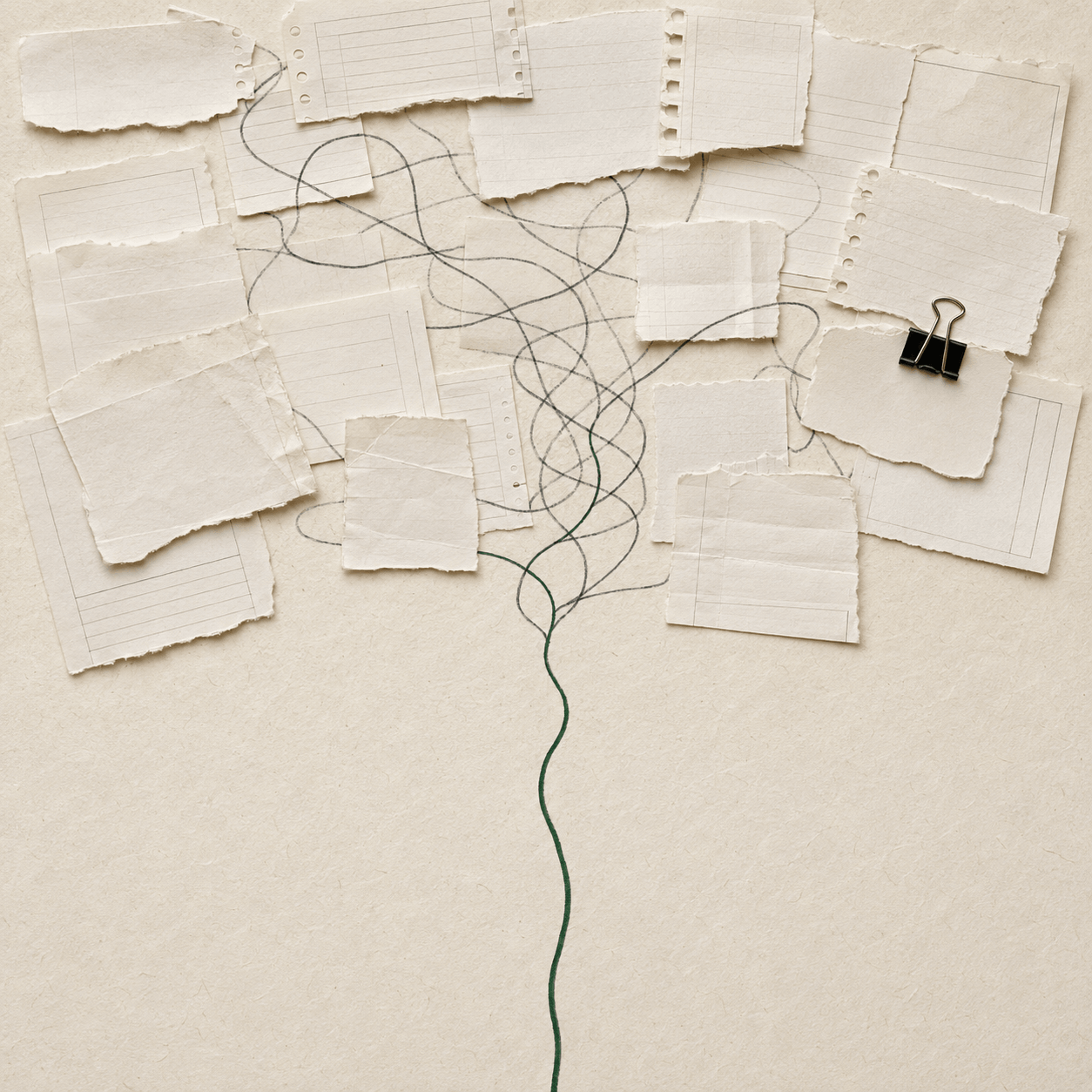
One effective chronic pain plan. One case for insurance.
A few years ago, patients in Vermont were offered a new way to treat chronic pain.
Instead of managing separate providers, they entered PATH — a pioneering 16-week chronic pain program created by the University of Vermont Medical Center in partnership with Blue Cross Blue Shield of Vermont.
PATH replaced separate treatments with one coordinated program.
It did not add another appointment. It changed who was responsible for fitting the care together.
Care without coordination
You have to coordinate every treatment yourself.
Physical therapy
Acupuncture
Nutrition
Then the same administrative journey starts again for the next treatment.
PATH
One team coordinates the whole program.
One intake
Tell your story once
One clinical team
The treatments are fitted together
One 16-week program
Care follows a coordinated plan
One insurance arrangement
The program is presented as one case
The patients who enrolled reported less pain, better sleep and better daily physical function.
Then the insurance claims revealed something else.
Now GWCIM is bringing the coordinated approach to Washington, DC.
Under the clinical leadership of Dr. Mikhail Kogan, the George Washington Center for Integrative Medicine is adapting the PATH approach into a personalized 16-week pain program.
Autonomous Health handles the work that normally cannot fit into a medical appointment — gathering records, filling clinical gaps, and preparing insurance documentation.
Depending on your needs, care may include acupuncture, massage, mind-body medicine, nutrition, movement therapies, medical visits and ketamine-assisted treatment.

Mikhail Kogan, MD
Chief Medical Officer & Clinical Lead
George Washington Center for Integrative Medicine
View Full Bio →From scattered records to a plan the clinic and insurer can act on.
- 01
Bring the records you already have
Connect your health systems or upload your existing records in one place.
- 02
Fill the important gaps
Autonomous Health brings your history together and asks focused questions that normally cannot fit into a medical appointment.
- 03
Build one clinical plan
Dr. Kogan and the GWCIM team review the complete picture and choose the combination of services appropriate to you.
- 04
Make one case to insurance
The same information becomes a detailed preauthorization package explaining what has been tried, what is recommended and why it should be covered.
Insurance may still say no. But you will not be fighting alone.
Coverage cannot be guaranteed, but GWCIM and Autonomous Health will bring your records, treatment history, clinical rationale and the PATH evidence into one package — to make the strongest case possible and stand with you against every bureaucratic barrier the insurer will put between you and a real chance at relief.
Your path can start here
Start your pain assessment.
Bring the story of your pain together so the GWCIM team can see the complete picture.
Start your pain assessmentAutonomous Health organizes the information and prepares the documentation. Final treatment decisions are made by GWCIM clinicians.
Overview and Feasibility of a Novel Transdisciplinary Integrative Approach to High Impact Chronic Pain in Vermont