News

Long COVID Study On Neuropsychiatric Impairment

Investigating Neuropsychiatric Impairments In Long COVID: A Groundbreaking Study

Introduction

In a recent YouTube video, Dr. Misha Kogan, an expert in Integrative Medicine, introduced Dr. Alba Azola, Director of Long COVID at Johns Hopkins and an Assistant Professor in the Department of Physical Medicine and Rehabilitation. Dr. Azola shared exciting news about a new study she is leading, focusing on the neuropsychiatric effects of long COVID. The study aims to explore the role of blood-brain barrier disruption and its contribution to inflammatory states in patients experiencing lingering symptoms. Let’s dive into the details of this groundbreaking research.
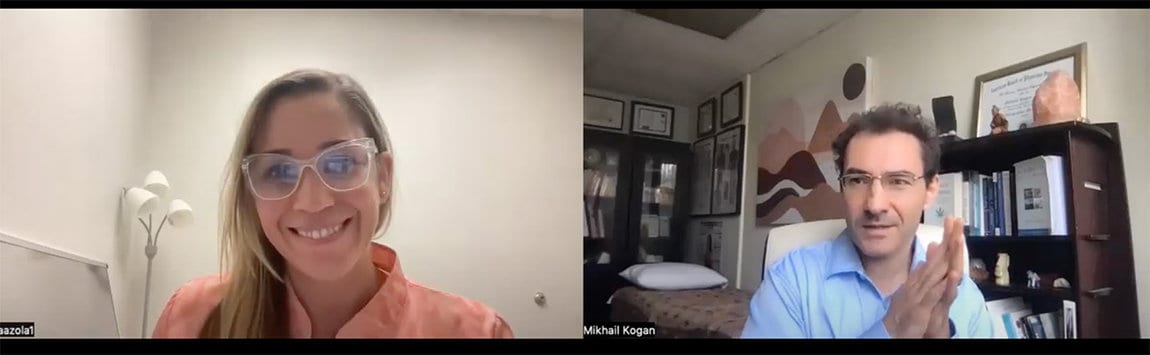
Long Covid Symptoms Study photo of Dr. Misha Kogan and Dr. Alba.

Understanding the Study

Dr. Azola’s study is a collaborative effort between the Department of Neurology and Infectious Disease. The researchers are leveraging techniques previously employed to examine Neuropsychiatric impairments post-HIV and applying them to long COVID patients. The study focuses on individuals experiencing Neuropsychiatric sequelae, which includes cognitive impairments, depression, and anxiety. The primary hypothesis centers around the disruption of the blood-brain barrier, leading to the migration of immune cells into the brain and subsequent inflammation.

The study involves two visits. During the first visit, participants undergo blood work, including specific tests for cytokines not commercially available. These tests help identify biomarkers associated with blood-brain barrier permeability and inflammatory states. Additionally, a psychologist administers an extensive cognitive assessment to assess cognitive function, depression, and anxiety levels. The second visit involves an MRI study at the Kennedy Krieger Institute (KKI) to quantify the disruption of the blood-brain barrier.

Comparing Patient Groups

The study aims to compare two groups of patients: those with long COVID symptoms and those who have recovered from COVID-19 and do not exhibit lingering Neuropsychiatric impairments. By examining these two groups, researchers can better understand the specific role of blood-brain barrier disruption in long COVID patients.

Inflammatory Marker Testing

To assess blood-brain barrier permeability and inflammation, the study measures various inflammatory markers. These markers include CCL2, CXCL12, VEGF, TNF-Alpha, IL-6, CCL19, Mig, and CXCL9. The extensive list of tests provides a comprehensive understanding of the biomarkers associated with long COVID and its Neuropsychiatric sequelae.

Patient Participation and Sponsorship

Patient participation is crucial for the success of this study. The study is fully sponsored by the National Institutes of Health (NIH), ensuring that patients do not incur any costs associated with the blood work, MRI, or other assessments. By participating, patients contribute to expanding knowledge and understanding of long COVID, ultimately paving the way for targeted treatments and improved patient care.

Study Logistics and Progress

The study visits take place at the Main Campus and KKI. Patients receive comprehensive neuropsychological assessments and MRI scans to evaluate brain health. The research team has already begun recruiting patients and anticipates enrolling three to four patients per week. Although the study was funded in May, the research timeline was delayed, but efforts are underway to accelerate recruitment and progress.

Conclusion

Dr. Alba Azola’s study investigating the neuropsychiatric impairments in long COVID patients marks an important step towards understanding the underlying mechanisms and potential treatments for these lingering symptoms. By exploring the disruption of the blood-brain barrier and its role in inflammatory states, researchers aim to provide insights into the pathophysiology of long COVID. Patient participation is vital to the success of the study, and those involved will contribute to advancing medical knowledge and improving patient outcomes.

If you or your loved one is interested in learning more or joining the study please contact study team at 443-447-5312 or BHP@jhmi.edu.

GW Center for Integrative Medicine offers a Long COVID program which meets Thursdays.  The Long COVID group is composed of supportive peers and led by GWCIM providers.

Find more information on Long COVID from John Hopkins Post Acute COVID resource website: https://www.hopkinsmedicine.org/coronavirus/pact

New Team Member Sally Novak, LCSW Helps Patients With Trauma

New Team Member Sally Novak, LCSW Helps Patients With Trauma

Sally Novak is a Licensed Clinical Social Worker and a licensed acupuncturist who recently joined the GW Center for Integrative Medicine’s team. As an LCSW and a doctor of Oriental medicine, her clinical orientation stems from an integrative and strength based approach. She has also done a tremendous amount of work in the fields of …

Read more

Welcome dr sally novak post

Welcome Sally Novak, LCSW, L.Ac.

Sally Novak, LCSW, L.Ac. joins GWCIM to provide psychotherapy to patients with trauma history and cognitive decline.  Dr. Novak says to her patients: “I’m not here to fix you because you are not broken. I’m just here to help you turn the light on so that you can more clearly see the way forward.” Dr. …

Read more

What Are Anti-Depressants? Dr. Kogan’s Interview On OTC Meds

What Are Anti-Depressants? Dr. Kogan’s Interview On OTC Meds

Dr. Mikail Kogan was recently featured in the article, “What are Anti-Depressants?”  One in five adults experiences mental illness each year, and during the pandemic a quarter more people were affected by anxiety and depression. The article explains that men are much less likely than women to seek help for mental illness and to use prescription medication. Reasons include shame and stigma, but for males, the fear of erectile dysfunction is also a deterrent. For these reasons, the use of over-the-counter medications can be a more appealing option for some people.

What Are Anti-Depressants
St. John’s wort has been used for mood regulation for centuries.

Dr. Kogan notes, “Over-the-counter (OTC) medications aren’t backed by the same research, but they can help ease mild to moderate symptoms of depression.” While not recommended for those with severe depression or as a substitute for SSRIs or other prescribed meds, Dr. Kogan states, “St. John’s wort has been used for mood regulation for centuries, and St. John’s wort and valerian, as well as supplements like omega-3 fatty acids and 5-hydroxytryptophan (or 5-HTP), can treat some mild depression symptoms.” Read more about over-the-counter treatments for depression and anxiety.

Stay tuned for Dr. Misha’s next GW podcast featuring Dr. Noshene Ranjbar of University of Arizona who was also interviewed in the linked article.

Dr. Mikhail Kogan is the medical director of George Washington University’s Center for Integrative Medicine and is a Director of George Washington Center for Integrative Medicine

Executive Coaching Performance and Wellness Program

True North and GWCIM launch New Executive Coaching Program

Introducing Our New Corporate Wellbeing Program The GW Center for Integrative Medicine and True North Executive Coaching are excited to announce the launch of our new Corporate Wellbeing Coaching Program. Designed to help businesses of all sizes cultivate a healthier and happier workplace. Our Focus Our Doctor-Led Evidence-Based program is tailored to meet the unique …

Read more

Lancet Study shows that natural COVID immunity might be better than vaccines

New Lancet Study On Natural COVID Immunity

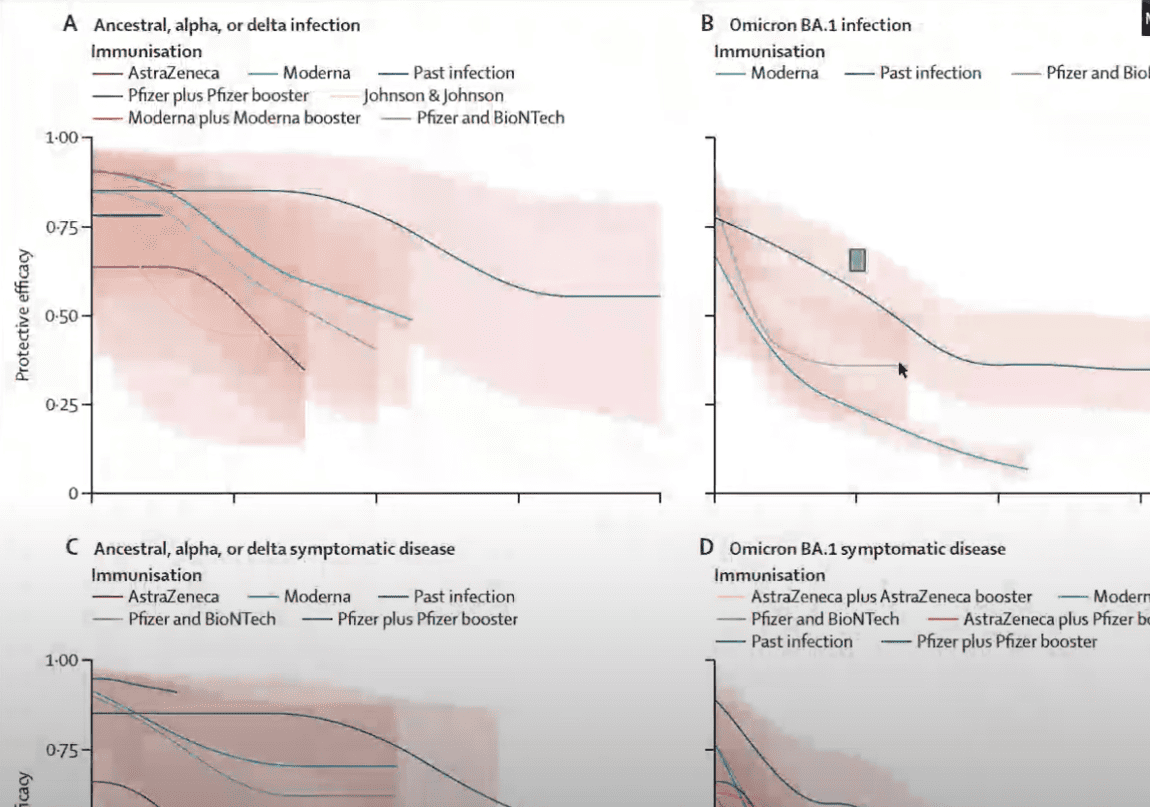
Dr. Misha Kogan, director of the GW Center for Integrative Medicine (GWCIM), summarized the insight from an article published in The Lancet about the COVID-19 pandemic and boosters. 

This study was a systematic review meaning that researchers synthesized insight from several different studies. It is also a meta-analysis study. This means that the paper looks at prior controlled trials and assesses the quality of data to ensure “you’re comparing apples and apples.” 

Here are the key takeaways.

Lancet Study shows that natural COVID immunity might be better than vaccines

New Lancet Study On Natural COVID Immunity
Scientists reviewed 65 studies from 19 different countries for the article

Scientists reviewed 65 studies from 19 different countries for their article, “SARS-CoV-2 infection protection against re-infection: a systematic review and meta-analysis” (2023). The Bill and Melinda Gates Foundation funded this study and The Lancet is considered to be one of the top medical journals in the world.

People have been wondering how long they will be protected against getting a symptomatic infection of COVID-19. Dr. Kogan expects that this question–and this study–may trigger a few controversies around when people should get boosted. Until more data is available, “young and healthy people who have been infected before with COVID should not get the Pfizer booster,” right now, Dr. Kogan shares. 

Researchers will also need to re-do this data over and over again as new strains appear. 

When Should People Get Boosted for COVID-19?

“It’s highly individualized,” Dr. Kogan explains after reviewing this paper. This can make some people confused about whether they should get boosters and how frequently to get them. “It’s still reasonable to get boosted every 12 months,” Dr. Kogan states, “unless you have a preexisting condition or illness. Everyone over 65 years old should talk to their doctor and likely get boosted.” People may still get reinfected after a booster, but they are more likely to be protected against severe illness. 

“If you’re relatively healthy and have no problems, I’d say no boosters at all, none–until I have more data,” Dr. Kogan reflects toward the end of his review. “This will be critiqued” he adds. Questions may include, “How do we know that you have included all the data?” 

For now, this is a robust study until there is more data to review. It’s also worth noting that many of the studies in the article cited were done in Europe, though there are studies in Africa and Asia in the paper.

When Should People Get Boosted for COVID-19

Schedule an appointment at the GWCIM

Have more questions you want to discuss your health with a functional medicine, integrative medicine, or chronic illness doctor? Receive the care you need and schedule an appointment with us.

GW Center, located in Washington, D.C., hosts an weekly online Long COVID program for members.

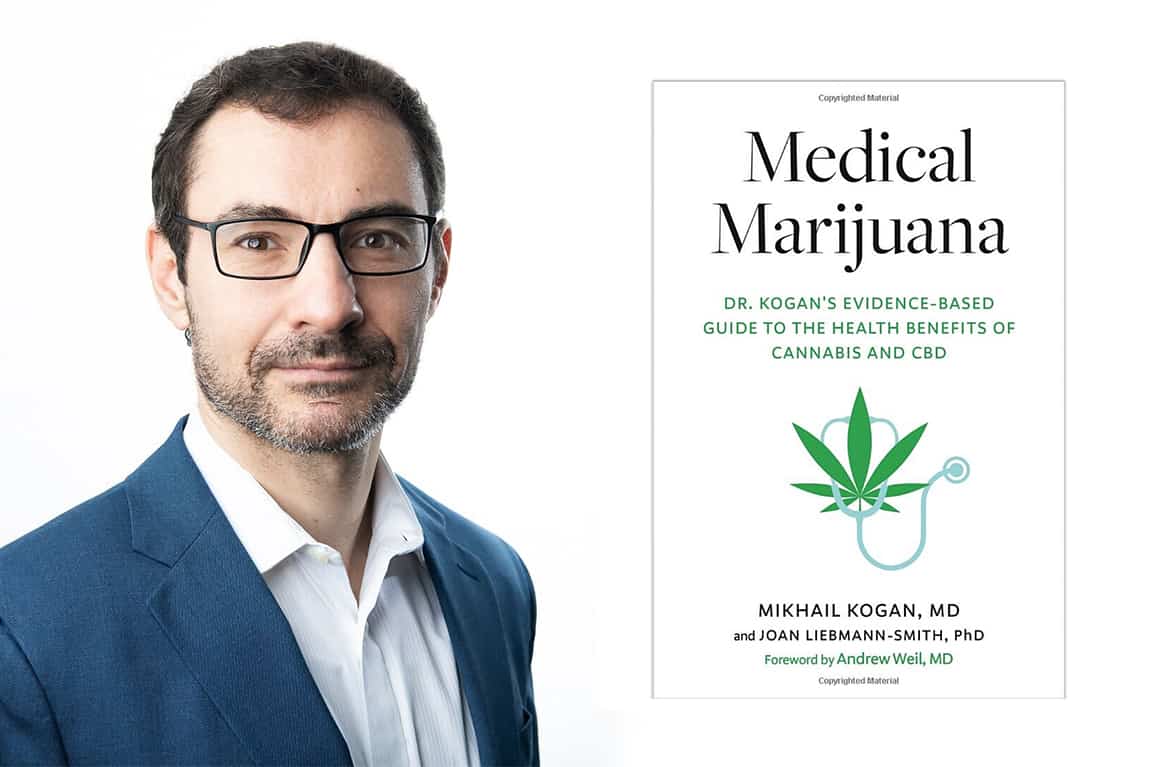
Dr. Kogan Medical Marijuna book

Medical Marijuana Book – Soft Cover Edition

Medical Marijuana Book, Dr. Misha Kogan’s Updates on Soft Cover Edition

Dr. Misha Kogan announced an update to his Medical Marijuana book. Dr. Kogan is the medical director GW Center for Integrative Medicine and a social professor of medicine at George Washington University. The original hardcopy Medical Marijuna book was released in 2021.The soft cover which was recently released in 2023, is largely the5564 same, although it contains some updates on COVID and CBDV.  You can purchase the book on Amazon.

Watch Dr. Misha Kogan’s Video Update on the Medical Marijuana Book

What is CBDV?

CBDV is a minor cannabinoid that is gaining momentum.  In this hour-long virtual open house Dr. Kogan and guests discuss what is known about CBDV, how it is applied in clinical practice, where you can obtain it and how to dose it.

Watch Dr. Kogan’s CBDV video 

Tinnitus

Dr. Kogan and Dr. Rioux: Ayurvedic approach to tinnitus

Ayurvedic approach to Tinnitus: 30 min discussion: Dr. Misha Kogan and Dr. Jennifer Rioux

https://gwcim.com/people/jennifer-rioux-phd-ad-c-iayt-rg-ahg-cca-iii/
More about Jennifer:
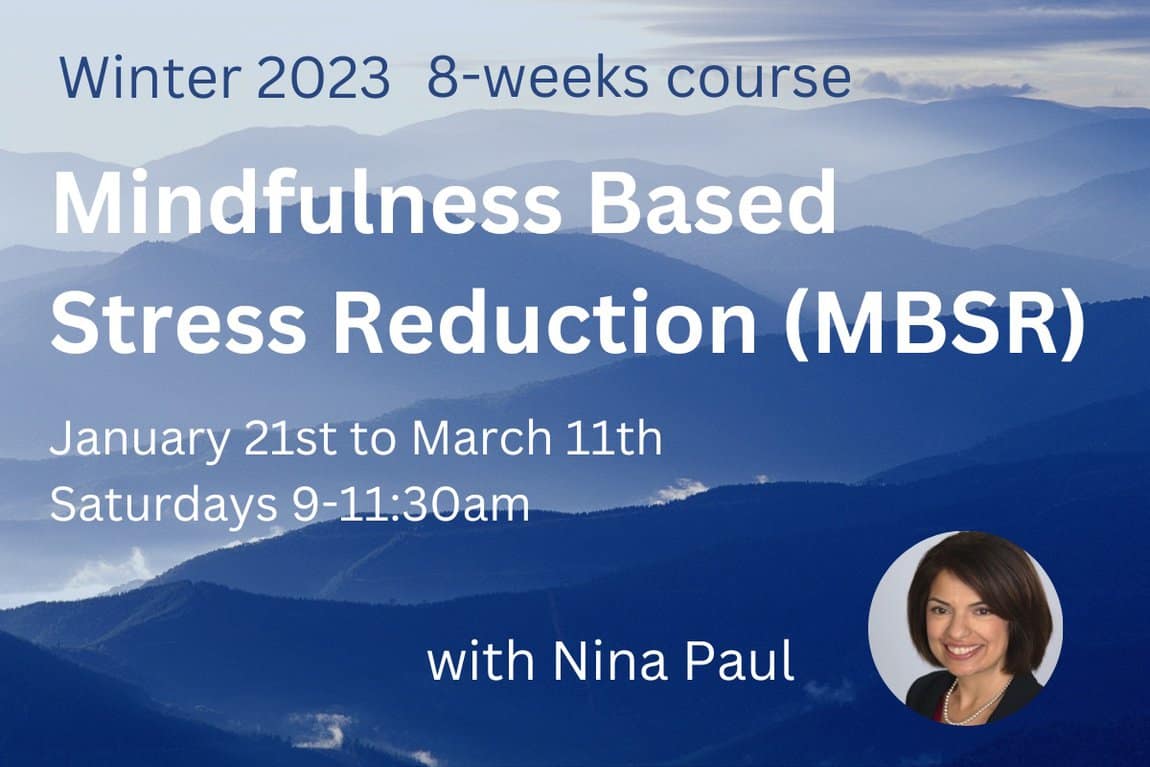
Mbsr 2023 winter

MBSR Winter 2023 with Nina Paul

Classes will run on Saturday Mornings from 9 am to 11:30am.  From January 21st to March 11th. The all-day retreat will take place on Sunday, February 19th from 9 am to 3 pm EST.  MBSR Orientation: January 14th, 9 am to 10:30am Cost: $500 Please email info@gwcim.com for help with sign-up.  For questions about MBSR: …

Read more

Iv at gwcim

Intravenous Therapies (IVs) at GWCIM

At GW Center for Integrative Medicine we offer several types of IV therapies. Myers’ Cocktail uses vitamins and minerals that have known nutritional benefits and low potential for serious side effects. Patients who receive treatments may experience a sensation of heat, which is likely due to magnesium. Magnesium may also cause lower blood pressure with …

Read more

1

Dr. Kogan is featured on Science Friday

Dr. Kogan is trying to bring the use of Medical Marijuana into the mainstream, and he was featured by Science Friday discussing how he wants to help others become more informed so that people can safely and confidently use Medical Marijuana to treat their medial issues and better their lives.

Mbsr free orientation

GWCIM TEAM WELCOMES NEW PROVIDERS

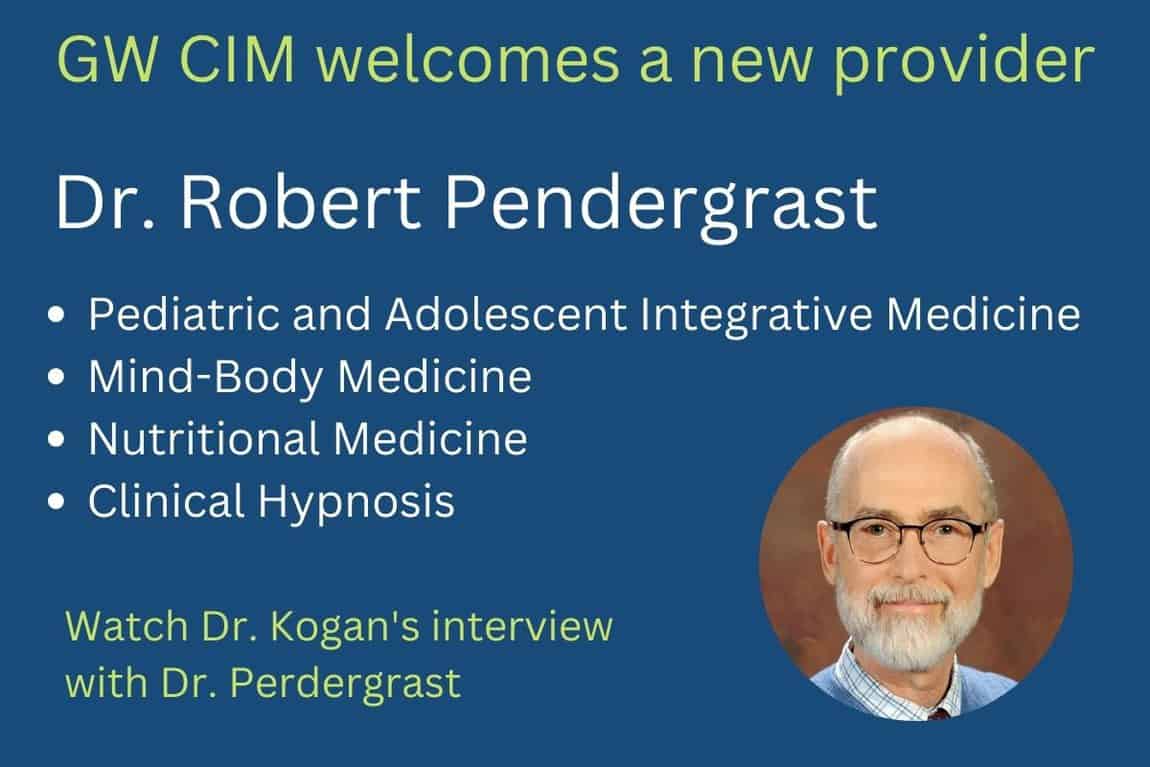
The GW Center for Integrative Medicine welcomes the following new providers to our team! Misty Embrey, MD is an Integrative Psychiatrist and Psychologist.  BIO. Ashley Drapeau, PA, L.Ac. is a Physician Assistant and Acupuncturist. BIO Odontuya Purevsanga, RN is a Nurse Practitioner, BIO Sharon DeMoker, MD is an Integrative Functional Medicine Physician. BIO. Jennifer Rioux, …

Read more

GW CIM leaders D. Misha Kogan and Dr. Orceire awarded a research grant

GW CIM leaders D. Misha Kogan and Dr. Orceire awarded a research grant

In August 2020, due to the generosity of BUCK (The BUCK Cancer Foundation is focused on Bridging & Uniting Cancer Knowledge) supporters, the nonprofit’s board approved a $5,000 medical research grant for a mercury toxicity study.  This small open label trial will include 20 prostate and breast cancer patients and directed by GW CIM leaders D. Misha Kogan and …

Read more

The gwcim nirmal goyal cancer fund (1)

Glad to announce: The GWCIM Nirmal Goyal Cancer Fund

GWCIM and the Goyal family are pleased to announce the establishment of The GWCIM Nirmal Goyal Cancer Fund. In honor of Nirmal’s remarkable life journey and in gratitude for her doctor Dr. Mikhail Kogan, all cancer and terminally ill patients seen by Dr. Kogan will be eligible for a small discount for every visit. Current …

Read more